The effectiveness of Boron Neutron Capture Therapy (BNCT) relies heavily on the selection of boron-containing drugs and their biodistribution characteristics. Since the development of BNCT, one of the primary research objectives has been the development of boron compounds capable of achieving differential accumulation between tumor tissues and normal tissues.
AB-BNCT 醫療設備

Innovative Treatment Options by AB-BNCT Patients Cured and Maintain Quality of Life

硼中子捕獲治療
Boron Neutron
Boron Neutron
Capture Therapy
-
01

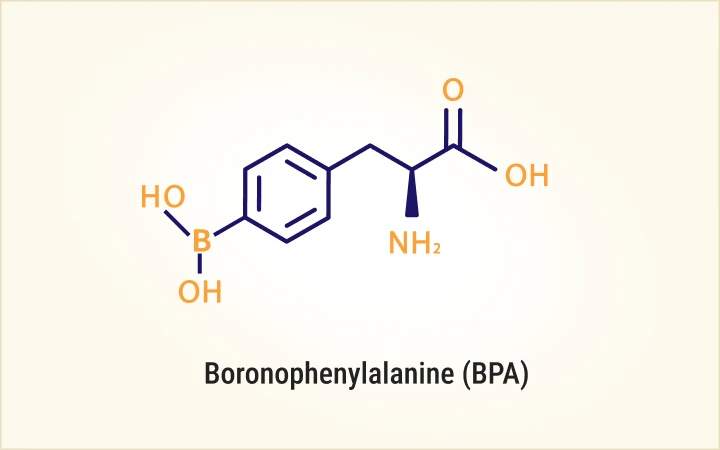
One of the most widely studied boron agents in clinical BNCT research is Borofalan (10B) (L-4-Boronophenylalanine, BPA). Structurally similar to a naturally occurring amino acid, BPA has been utilized in multiple clinical studies and BNCT treatment programs. With advances in drug design and manufacturing technologies, ongoing research continues to focus on improving its biodistribution properties and administration strategies to further support the clinical development of BNCT.
-
02
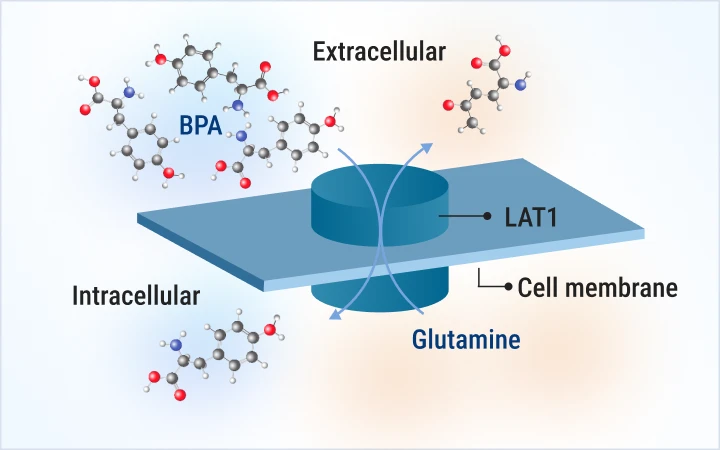
L-4-Boronophenylalanine (BPA) is a boron-containing amino acid analog that enters cells through the L-type Amino Acid Transporter 1 (LAT1) expressed on the cell membrane. Because LAT1 is typically overexpressed in many tumor cells, BPA preferentially accumulates within tumors, resulting in a higher local boron concentration compared to surrounding normal tissues.
-
03
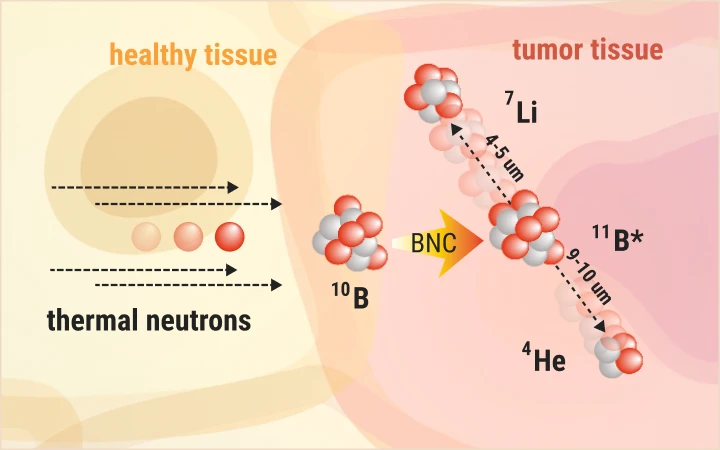
When boron-containing cells are exposed to a neutron beam, boron atoms undergo a nuclear capture reaction that releases high-energy alpha particles (α particles) and lithium nuclei (7Li). The path length of these particles is limited to the cellular scale, enabling highly localized energy deposition within tumor cells while minimizing damage to adjacent healthy tissues.
10B + n → 7Li + α + Energy
This unique mechanism allows BNCT to selectively target boron-loaded tumor cells while preserving surrounding normal tissues.

Disease Overview
-
Oral Cancer
Buccal Mucosa Cancer
Oropharyngeal Cancer
Laryngeal Cancer
-
Tongue Cancer
Gingival Cancer
Hypopharyngeal Cancer
Nasal Cavity and Paranasal Sinus Cancer
-
Floor of Mouth Cancer
Hard Palate Cancer
Nasopharyngeal Cancer
Salivary Gland Cancer
Unmet Medical Need
-
Previous treatments may have already reached tissue tolerance limits, restricting subsequent treatment options.
-
The risk to surrounding normal tissues must be carefully evaluated before any additional intervention.
-
Each treatment modality has inherent limitations regarding patient eligibility and implementation requirements.
Clinical Significance
Treatment Mechanism -
- Boron-containing drug is administered to the patient, allowing it to distribute within the body.
-
The patient is then exposed to neutron irradiation to induce a nuclear reaction.
-
The resulting reaction produces effects at the cellular level.
Clinical Significance -
-
Evaluating the safety of this treatment approach in patients with recurrent head and neck cancer
-
Assessing its feasibility in clinical application
-
Providing a reference for future research and the development of related treatment approaches
Important Information About the Clinical Trial
Compassionate Use
Compassionate Use refers to a regulatory pathway that allows patients with serious or life-threatening diseases to access investigational medical technologies or products under specific circumstances. When approved treatment options are unavailable, ineffective, unsuitable, or when no other feasible therapeutic alternatives exist, physicians may evaluate the patient's condition and, in accordance with applicable regulatory requirements and ethical standards, consider the use of medical technologies or products that have not yet received full regulatory approval or remain under clinical development. The implementation of compassionate use must comply with the requirements of local regulatory authorities and healthcare institutions. Prior approval through appropriate ethical review processes, such as an Institutional Review Board (IRB) or ethics committee, is required before treatment can be provided. Compassionate use represents an exceptional access pathway and is not considered a standard or routine treatment approach. Its application requires comprehensive risk assessment, informed patient consent, and close medical supervision to ensure patient safety and ethical clinical practice.
BNCT is a highly specialized treatment modality that must be evaluated by a physician based on the tumor type, disease stage, and the patient's overall condition. We recommend consulting a medical institution with experience in BNCT, where a specialist can assess whether this treatment or any relevant clinical trial opportunities may be appropriate for the patient.
Contact Us for More Information MContact Us for More Information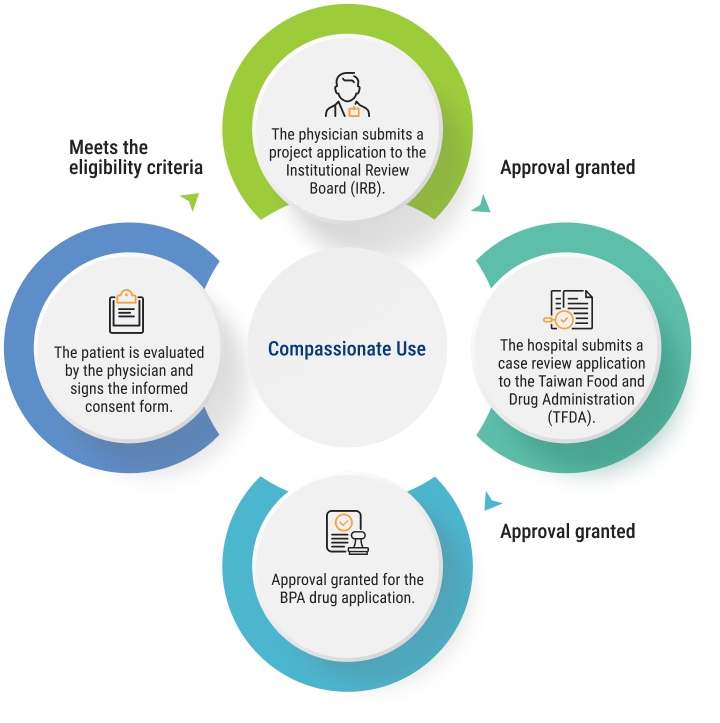

Contact
If you have any questions, please feel free to contact us.


